
Growing up in Mexico, I studied World History and of course, Mexican History. I would be lying if I said I recall details about what was covered in these Middle School and High School classes (does anyone?); I have actually felt embarrassed when I am asked about facts related to the Mexican Independence from Spain and the Revolution a century later, and can’t really answer these questions.
I actually imagine my mom looking down at me from her little piece of heaven, frowning because I am somewhat ignorant about the heroes and traitors that played major roles during these events. Mom, being the very well read and educated woman she was, wouldn’t be proud.
All I can say is, Mexico, as many other Latin American countries, was brutally exploited, massacred and it’s native culture and religious practices annihilated- for a very long time.
That is why, even though I didn’t study US History growing up, when I hear about the times of slavery through my kids, on a documentary or movie, I get it. It’s a very similar sad story of power control, greed and dominance. It is the same story for many countries around the world, and it is still happening today: it is not entirely a thing of the past. And the endless access we have today to information, puts it right there, in our faces, on our cell phones, on the news, TV. This year, my husband and I had a trip to the South in our list. Living in California feels to me, a bit secluded sometimes, protected even. We don’t have much exposure to other subcultures, foods, even weather. So visiting the south was something we wanted, as a learning experience. So this fall, we visited Savannah , Georgia and Charleston, SC.
The southern charm is felt from the moment you arrive at the Savannah Airport; the Décor and architecture is nothing I have seen before at a terminal. We were lucky enough not to have bad humid weather, very little rain, which also means, very few mosquitoes.
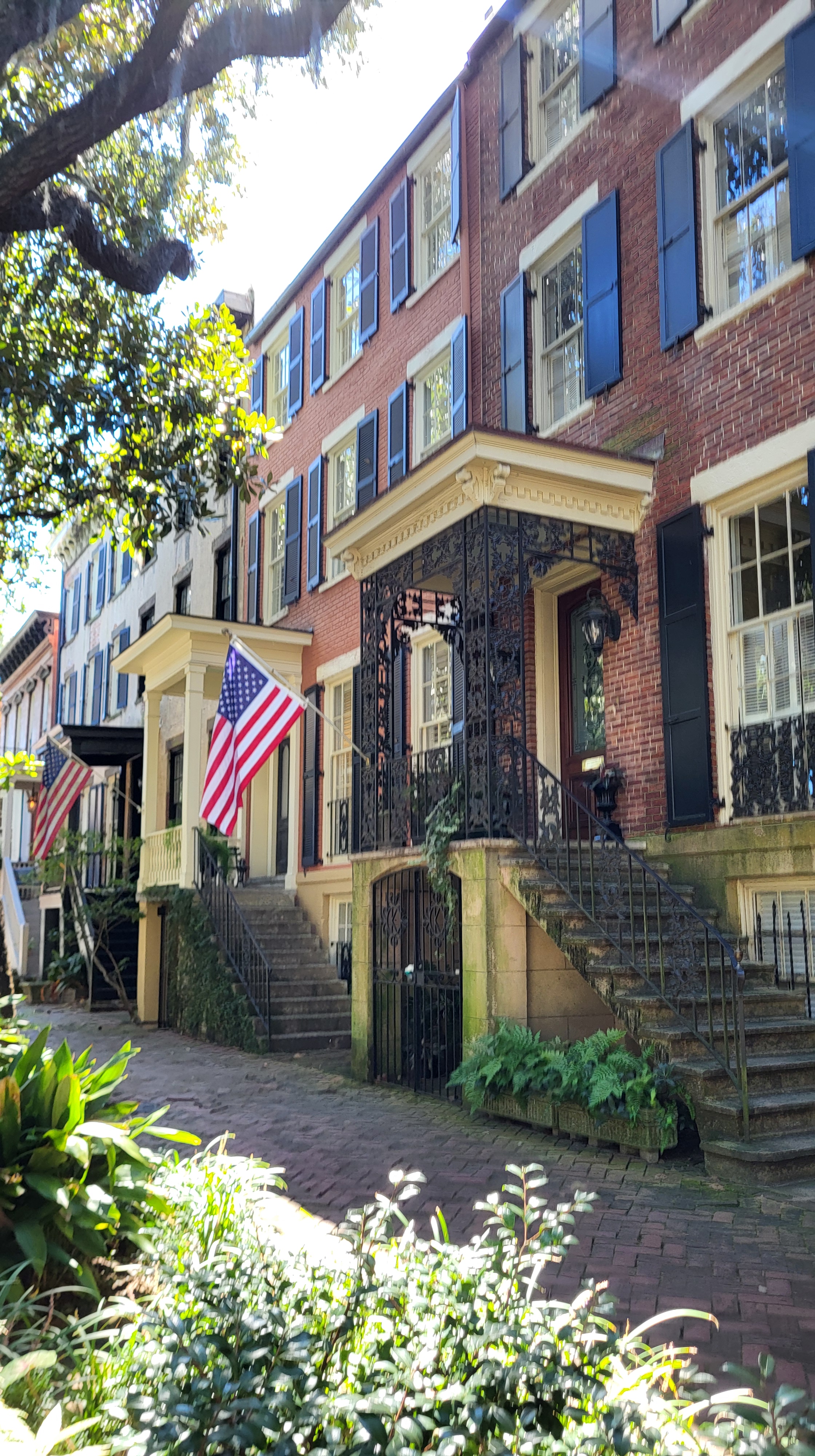
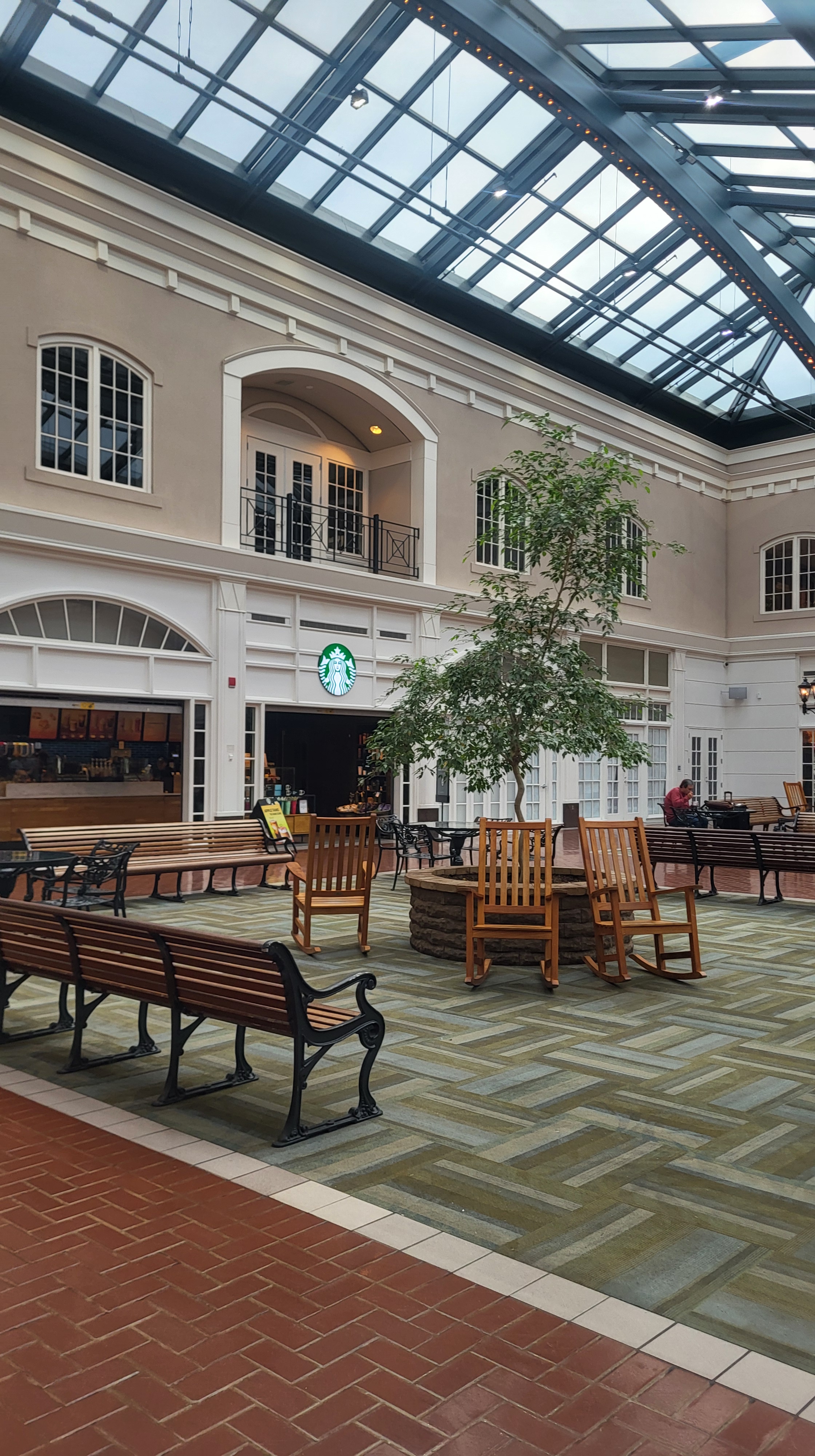
Savannah is a BEAUTIFUL city. Incredibly rich in history, landscape and architecture. The many squares and sculptures downtown, and horse drawn carriages gives Savannah a unique “flavor” that I doubt can be found elsewhere in the US. The variety of hotels and restaurants available in the city offer a wide array of experiences from budget friendly hotels to luxurious resorts with Chic roof tops that overlook downtown.
I was willing to try anything local, which was mostly fried-anything. From fried green tomatoes, to fried calamari and, of course, chicken. I tried other delicious seafood dishes that were prepared differently than here in California. People in both Savannah and Charleston were friendly, welcoming and seemed very proud of their towns, their ways and even accent. I had done some research before hand on the “things to do” since we didn’t have much time to spare, and ended up choosing a couple of plantations and the very famous Bonaventure Cemetery. Also, a couple of home tours in downtown Savannah: homes that used to belong to some of the richest families in town back in the days of slavery.
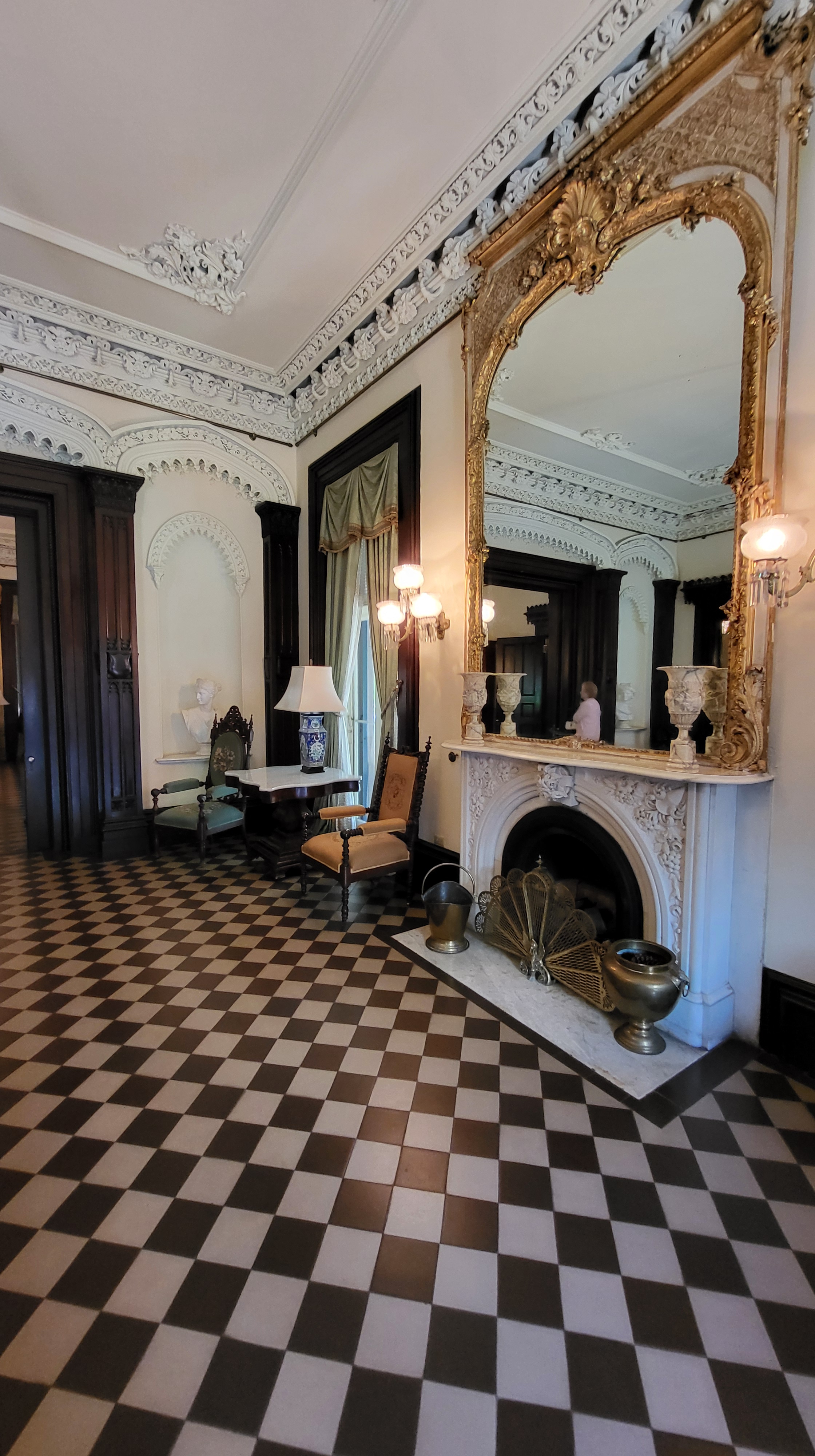
One of these was the Owens-Thomas House. They showed us all the sitting rooms, dining areas, kitchens, bedrooms and also service areas. Since these houses did not having plumbing in their original plans, they explained how , in lieu of a toilet, some armed chairs, and removable seats, with basins under them. Slaves then had to remove and wash these basins. I found it very hard to process this, even though slaves were forced to do much worse. I also kept thinking: this is the south, hot and humid, with no relief from an A/C System back then, so I cannot imagine the heat conditions while they broke their backs harvesting, doing laundry, cooking, pretty much everything.
The architecture and design of these homes was amazing, yes, but none of that really mattered once I started “seeing” what happened behind the scenes; to maintain these residences, where the rich lived, where women sat and gossiped and drank lemonade and read and embroidered kerchiefs and who know what else. There is a point where I couldn’t see the beautiful tiled floors, but could only imagine the enslaved women on their knees scrubbing and polishing ’til they were gleaming….or else…
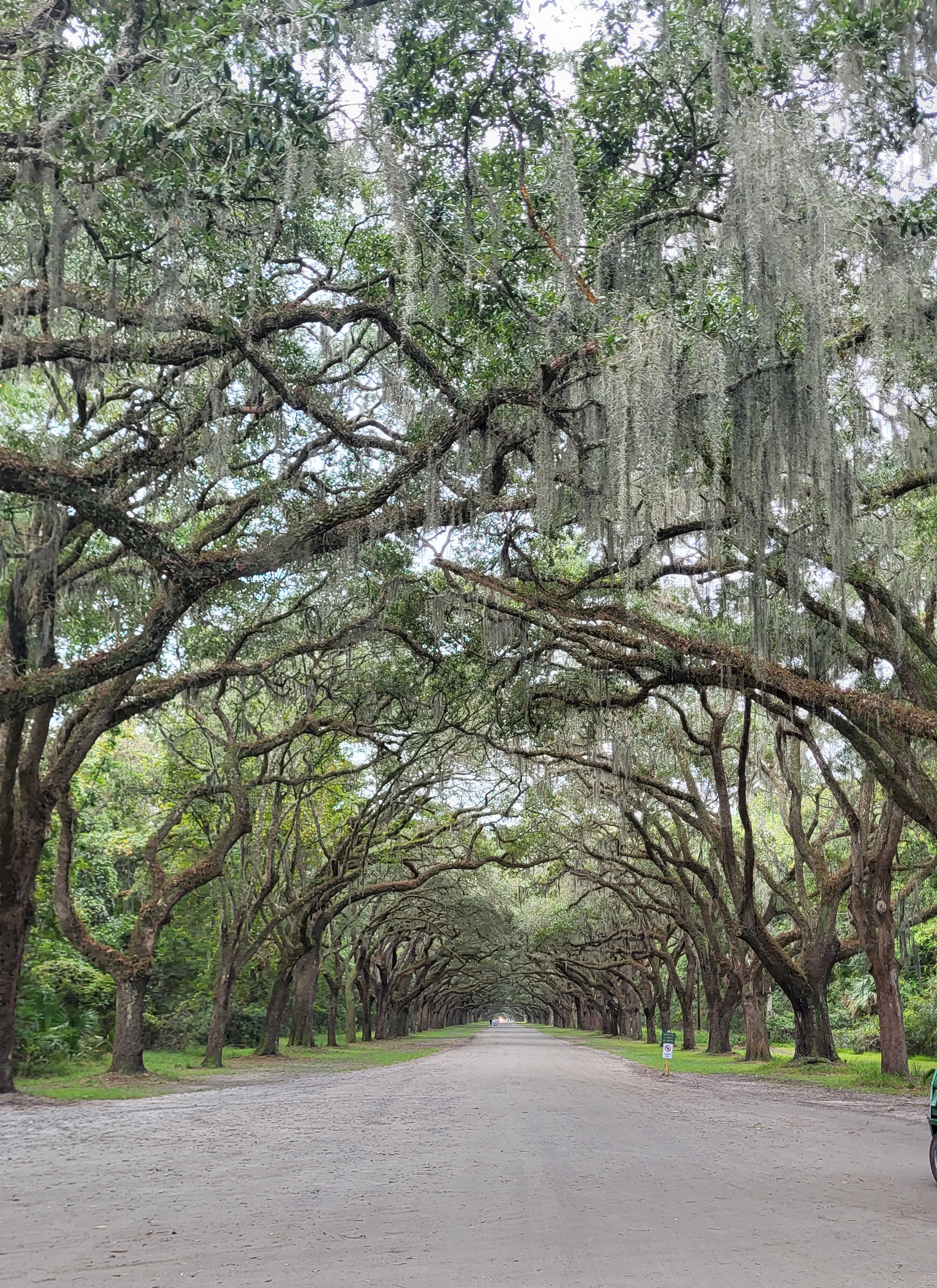
The day after, we visited the Magnolia plantation, which spans over almost 400 acres. On the Magnolia tour, we saw the places where rice was grown and harvested; we heard of the very high risks of harvesting rice due to it growing in water, which means collecting the rice among snakes and other unfriendly and deadly reptiles. The average life of a slave that harvested rice was seven years. Seven years, that is it. This place has kept some of the cabins where the slaves lived, during different point in time. From very early until 1990. Yes, there was a descendent of slaves still living there in the 90s.
A tour guide very explicitly described the life of a slave: from the moment they were taken from Africa, until they were purchased and exploited at their final destination in North and South America. The hours they worked, the meals they ate (if we can call them meals), the pressure to get their wives pregnant (to increase the slave population, of course), and the consequences of not getting their wives pregnant: another men would to the job for them. The early age at which kids started to work the fields. The beatings they got when they broke the rules. This tour lasted about 45 minutes, by the end of which I was nauseous and appalled. It was a lot to listen to, very “graphic”- but I have to say, these are the stories we all need to hear, and be reminded of every now and then. To remember what happened, to realize how human kind can be so perverse and greedy.
I recall that night, after seeing all this, I felt ashamed about going to the rich homes the day before, to admire their architectural wonders and landscaping. I thought then, that children in Middle School that traditionally go visit Washington DC on a School Field Trip, should go to the South instead. Our children need to see this part of the country, to feel it, to understand it beyond a US History lecture.
A week after we came back, I visited my daughter at her College for a day, as she was sick and wanted rest and company. We watched The Help Together. The 2011, film based on the book with the same name, by Kathryn Stockett. It was my second time watching it, however, it felt different after visiting the South and seeing things with my own eyes. My daughter loved the movie and even if she has never been to Georgia or anywhere near, I want to believe that exposing her to films like The Help , Selma and Hidden Figures has instilled a deeper sense of value and respect for the Men and Women who went through hell in the 1800s in this country, and still are victims of racism.
I also realized, that The Help is a depiction of a not-too-different reality in Mexico, where I grew up. A reality in which the middle and upper classes all have cooks, maids, butlers, drivers, etc. Some more than others, but it is an informal economy of paid help, mostly 24/7, where the employers feel very good about providing a source of income to people that are fortunate enough to have “free” room and board, in exchange for cleaning, cooking, babysitting, driving, during shifts of 12 – 14 hours a day, with one full day (or day and a half if they are lucky) of rest per week, and a salary that I am pretty certain is not a living wage. Women leave their children with their own moms, so they can work, often times they leave their hometowns to find work in more densely populated cities or towns. So these kids grown up with their grandparents and see their moms and dads a few times per year.
I grew up surrounded by help, it becomes normal. You don’t see the problem with this unfair distribution of wealth and the lack of decent living wages in our communities. Instead, we feel good about hiring Help.
I understand the problem is complex and it is not only economic, but cultural too. This trip made me think hard about not only the hired help, but labor in general. Ever since I moved to the US, I have learned that labor intensive jobs are significantly more well regarded and compensated here than in Mexico, and probably in other south American countries. A plumber, a wood worker, an electrician, an HVAC specialist, a construction worker, a Landscaping specialist or arborist, all these jobs are not only expensive to hire in the US, but are perfectly respectable. (We actually get quotes from 3 or 4 providers before we chose!)
Why isn’t that the case in Mexico? Not only it is generally affordable to hire these jobs out, but on top of it people bargain, wanting to pay the least amount possible. What is it that makes us think (and I say “us” because I was part of this culture once too) that these people are not worth what they are asking for? That we can “get away” with paying less? Why do we bargain with the needy at marketplaces or when setting up the fee for a labor-related task? I don’t have the answer, but I notice it. And it doesn’t make me proud to have participated in this many many times in the past. I do wonder if this shift in perspective is something that other immigrants like myself experience too at some point during their assimilation process into the US.
To end this, no, I don’t remember what year was the Mexican Independence or when was slavery first accepted in the US, or when it was officially illegal. All I know is that colonized countries all suffered tremendously for centuries due to similar reasons: oppression, abuse of power, forced labor, forced culture and religion and of course, greed from their colonizers.
Some countries have fared much better than others after their own independence, but the signs and lingering influences are all there, in each country’s history, language, customs, food, and sadly, we also see it in grudges held for decades, in anger, in inferiority and superiority complexes and in racism.
My trip to the south was a learning experience, a reminder of the many things that have taken place in this land, but also a very pleasant and enjoyable stay in one the country’s most beautiful states. A true appreciation of what the black communities have accomplished so far and also, the road that they still have ahead of them. I left Georgia hoping that one day I will go back and find that more employees in higher positions will be black, instead of only seeing them in the kitchens and cleaning crews. If you have never been to Savannah, Georgia…., here is a glimpse of the beautiful streets and homes. Maybe it will make you add it to your bucket list!
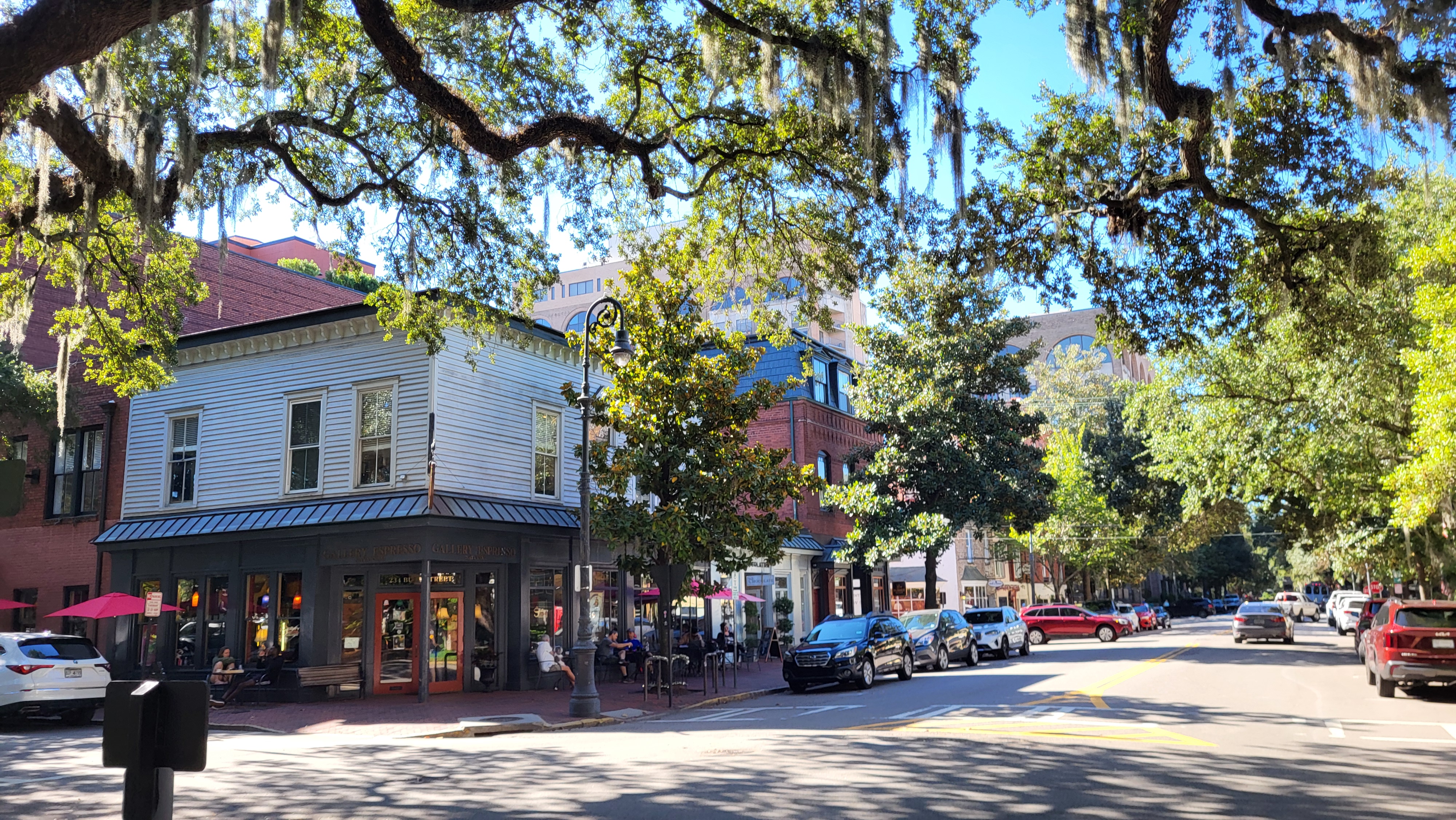
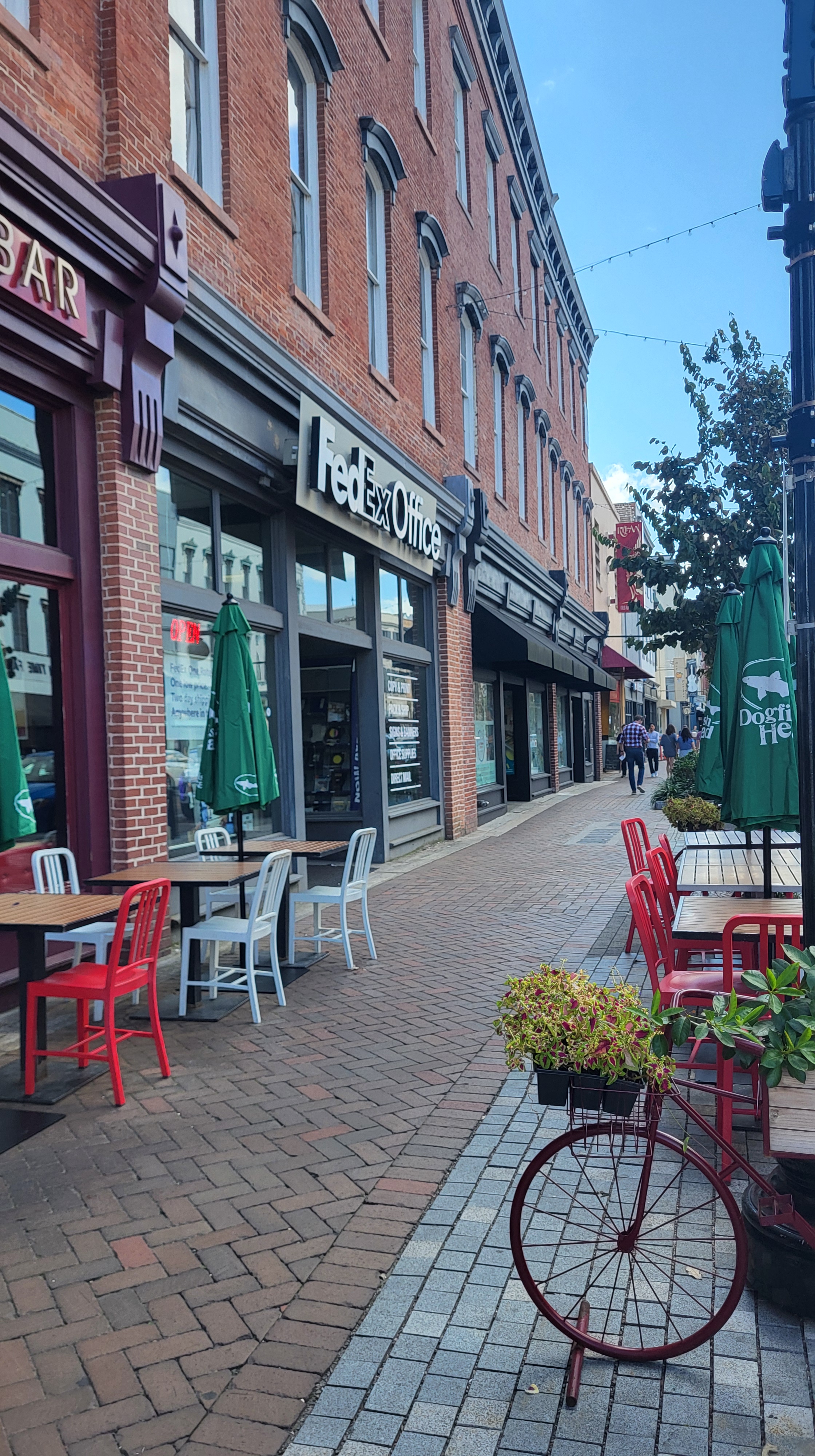
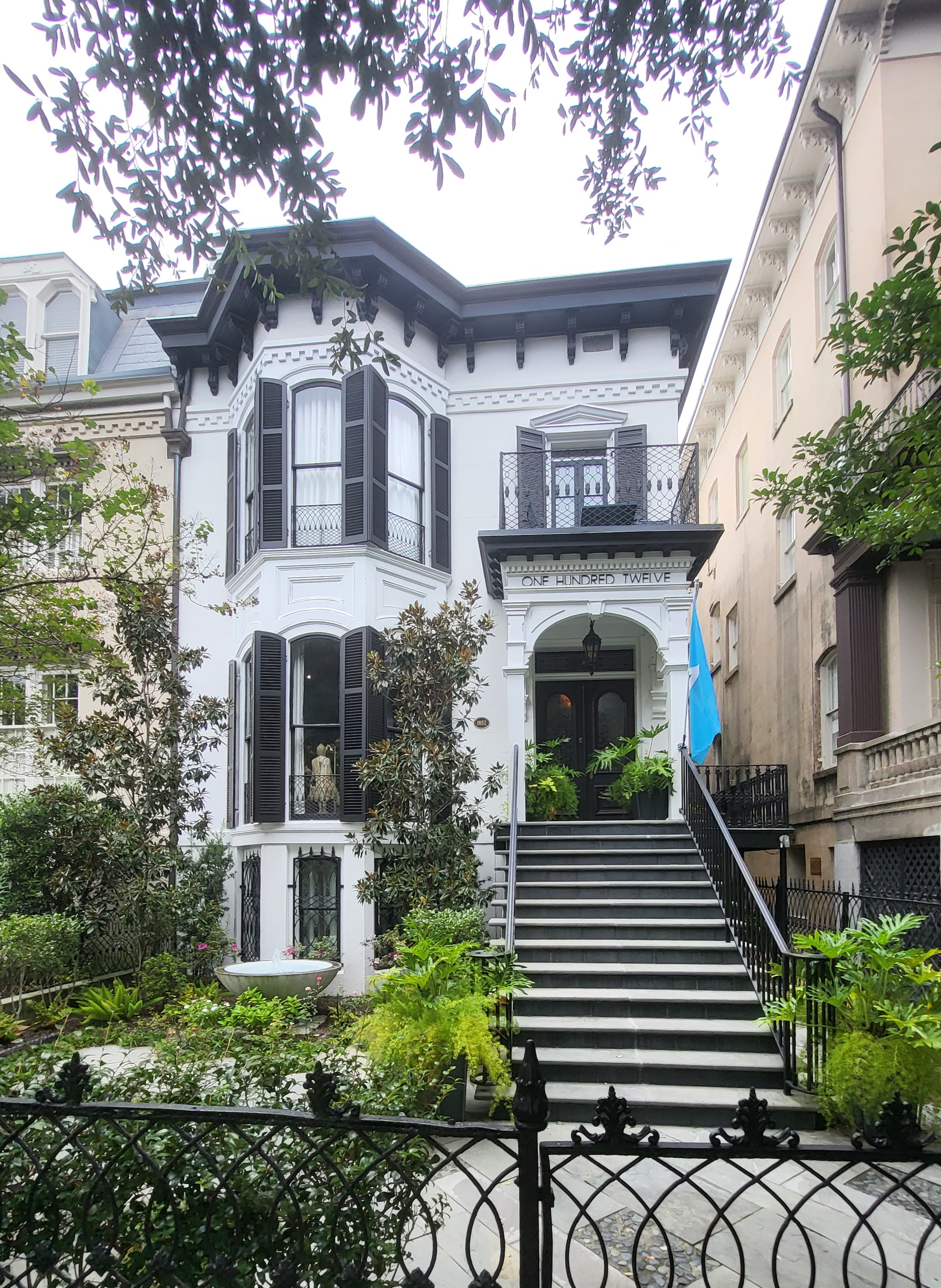
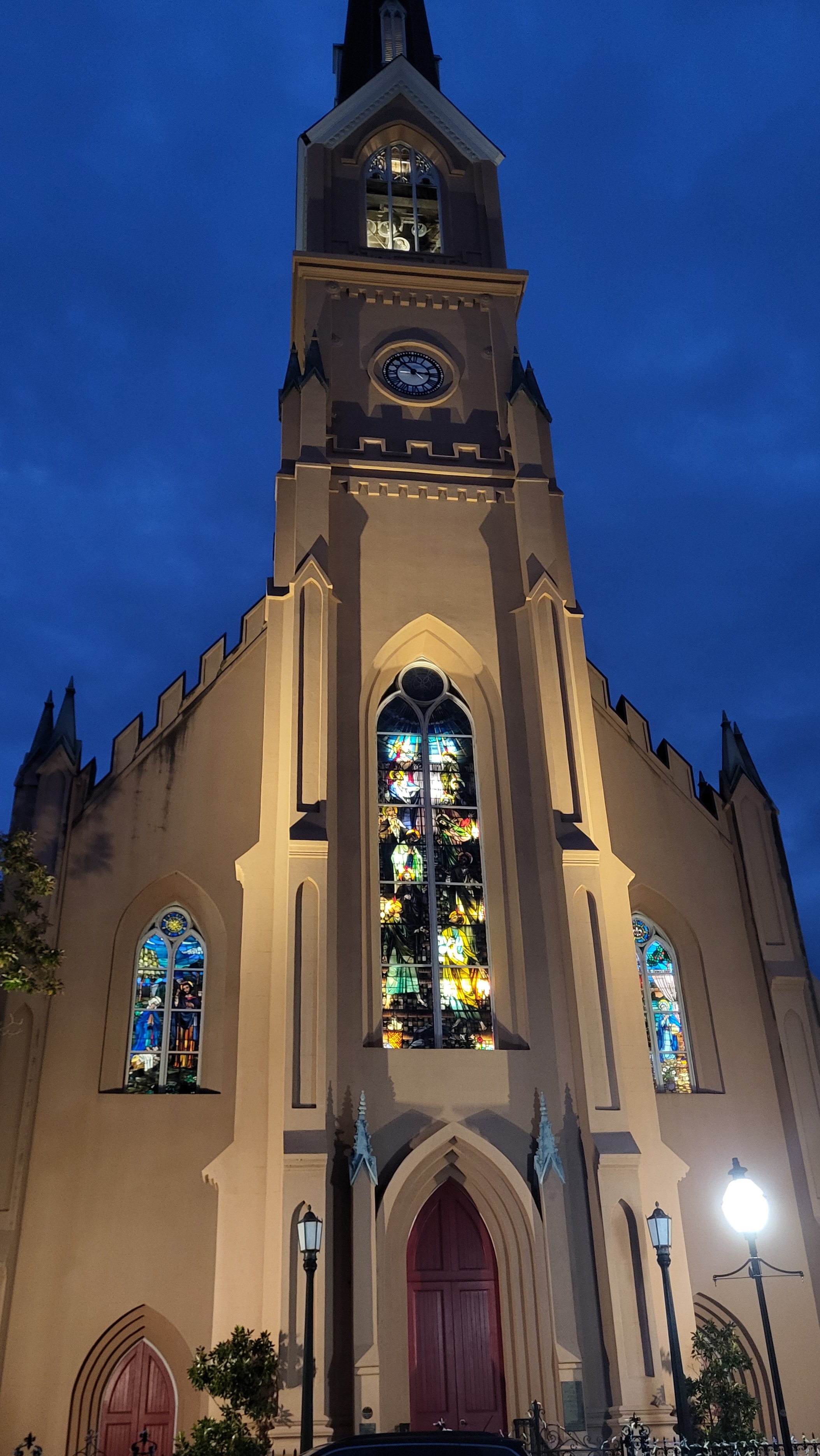
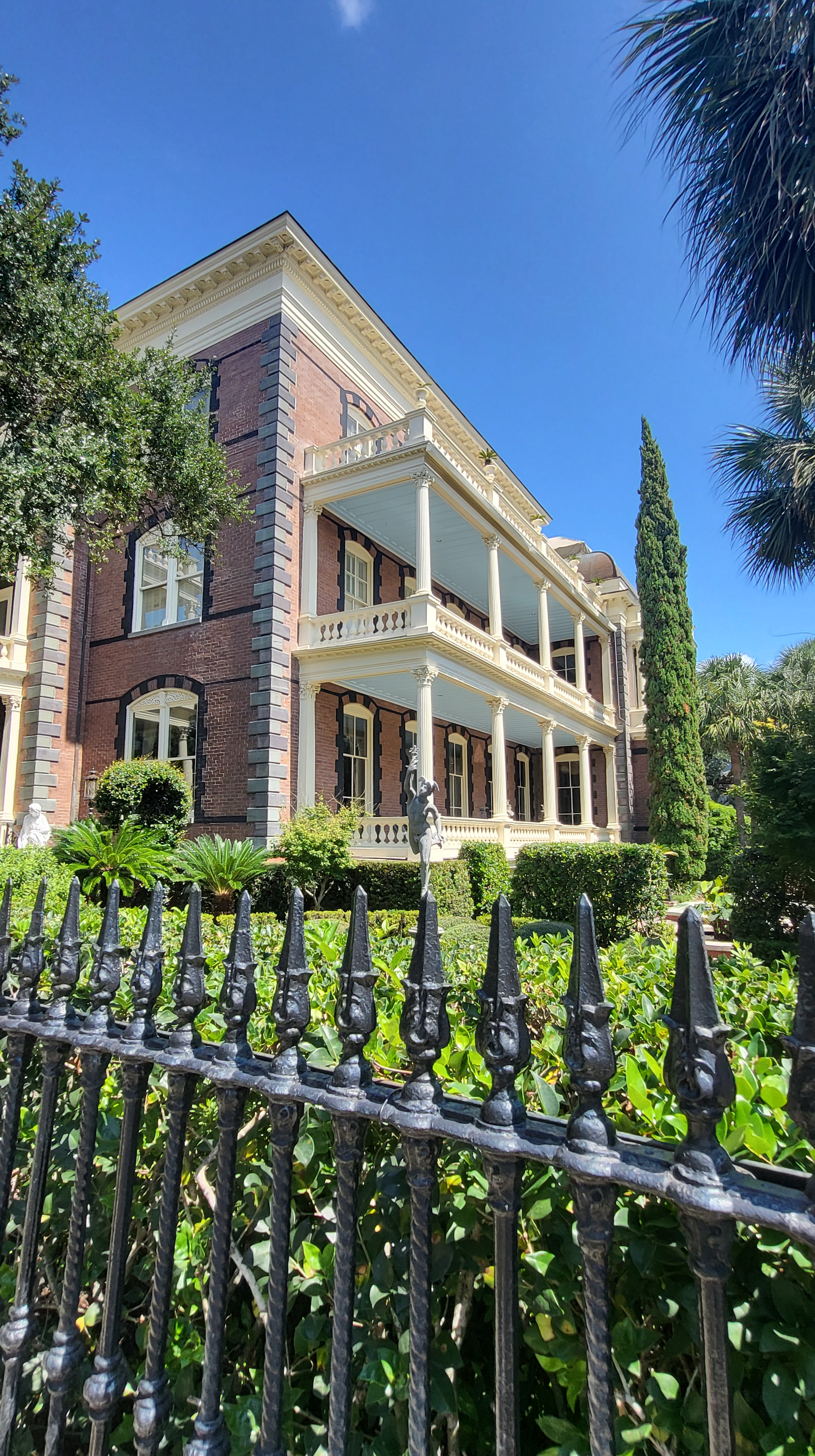
Street Scenes of Savannah Georgia and Charleston, South Carolina.


 thoughtsinmotiondotnet